Work-in Th.ai — End to end AI HR platform for Thailand
Concept project
Portfolio case study
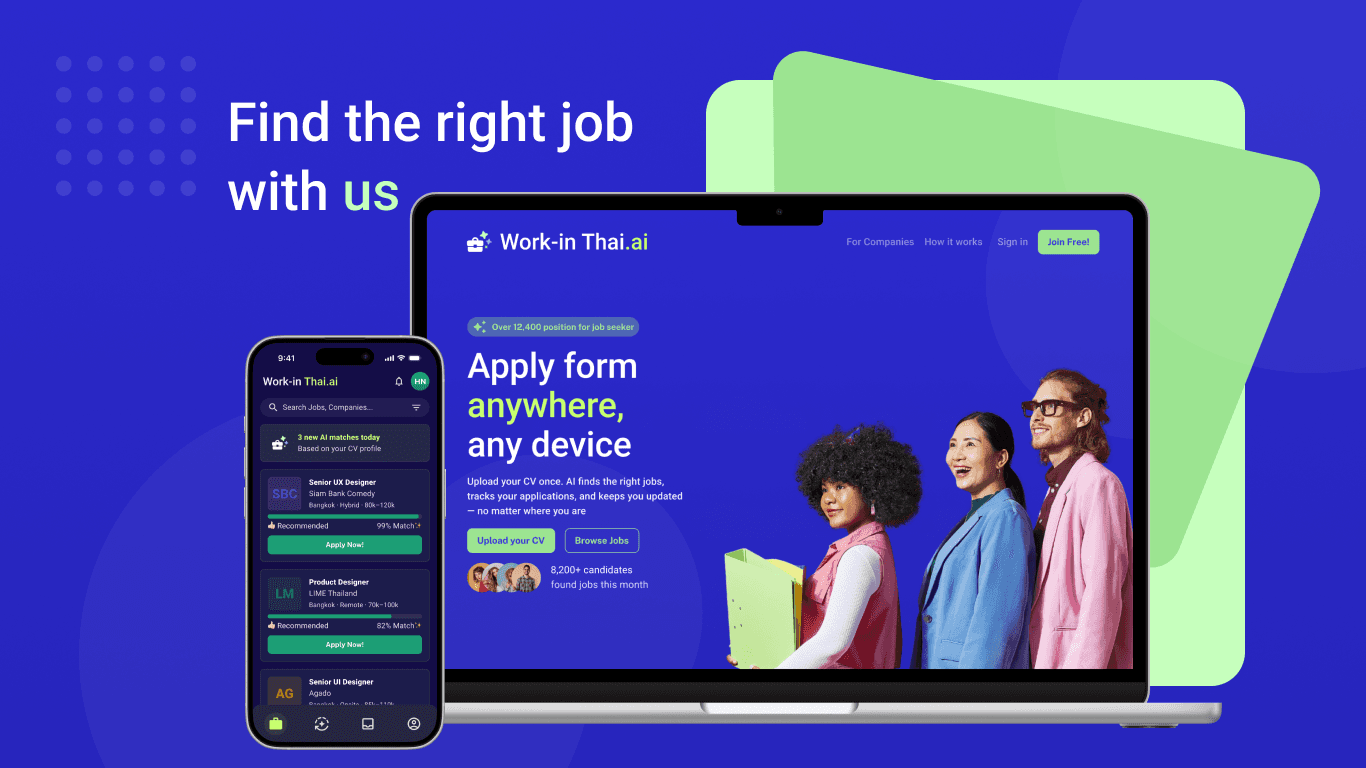
A closed-loop HR ecosystem built for Thai companies — from the moment a candidate discovers a job listing, to the day they become a fully employee.
Product architecture
One ecosystem
Two surfaces AI throughout
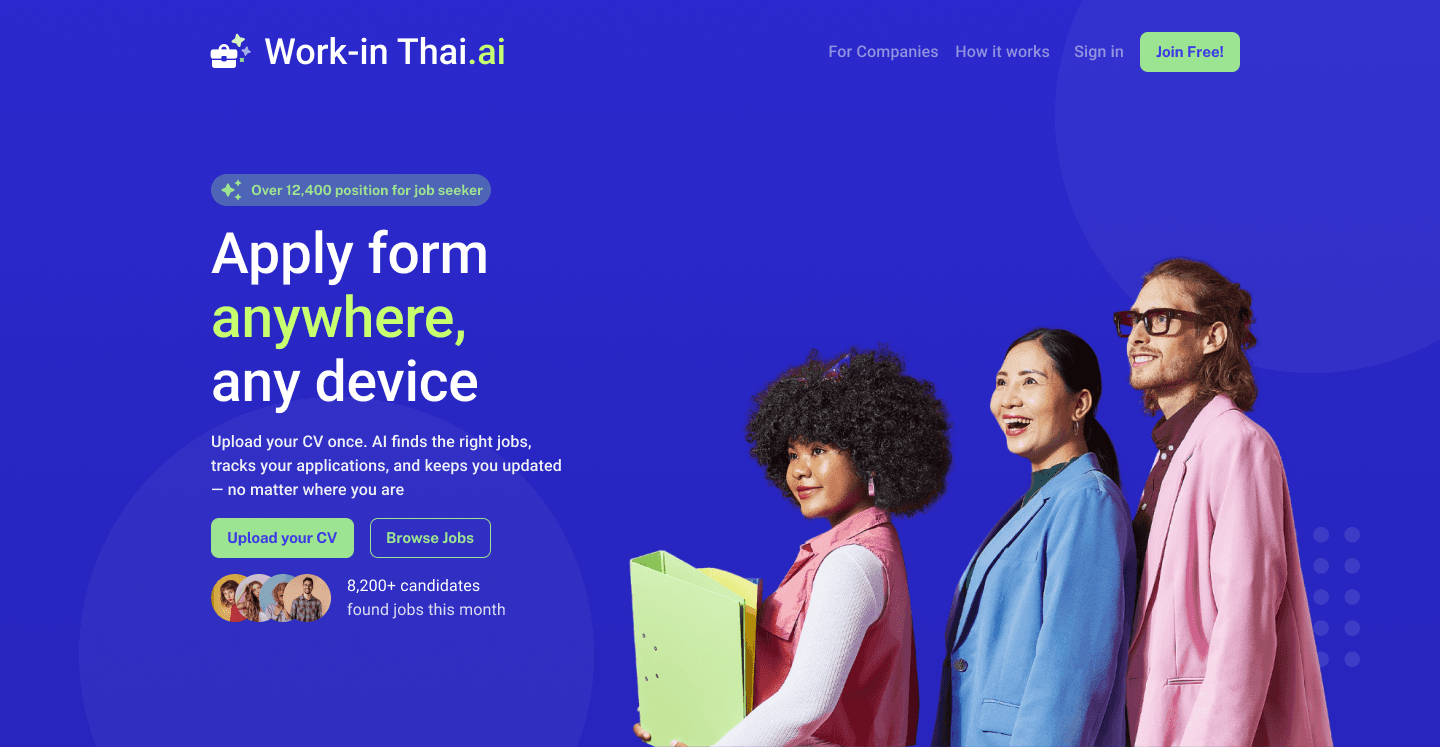
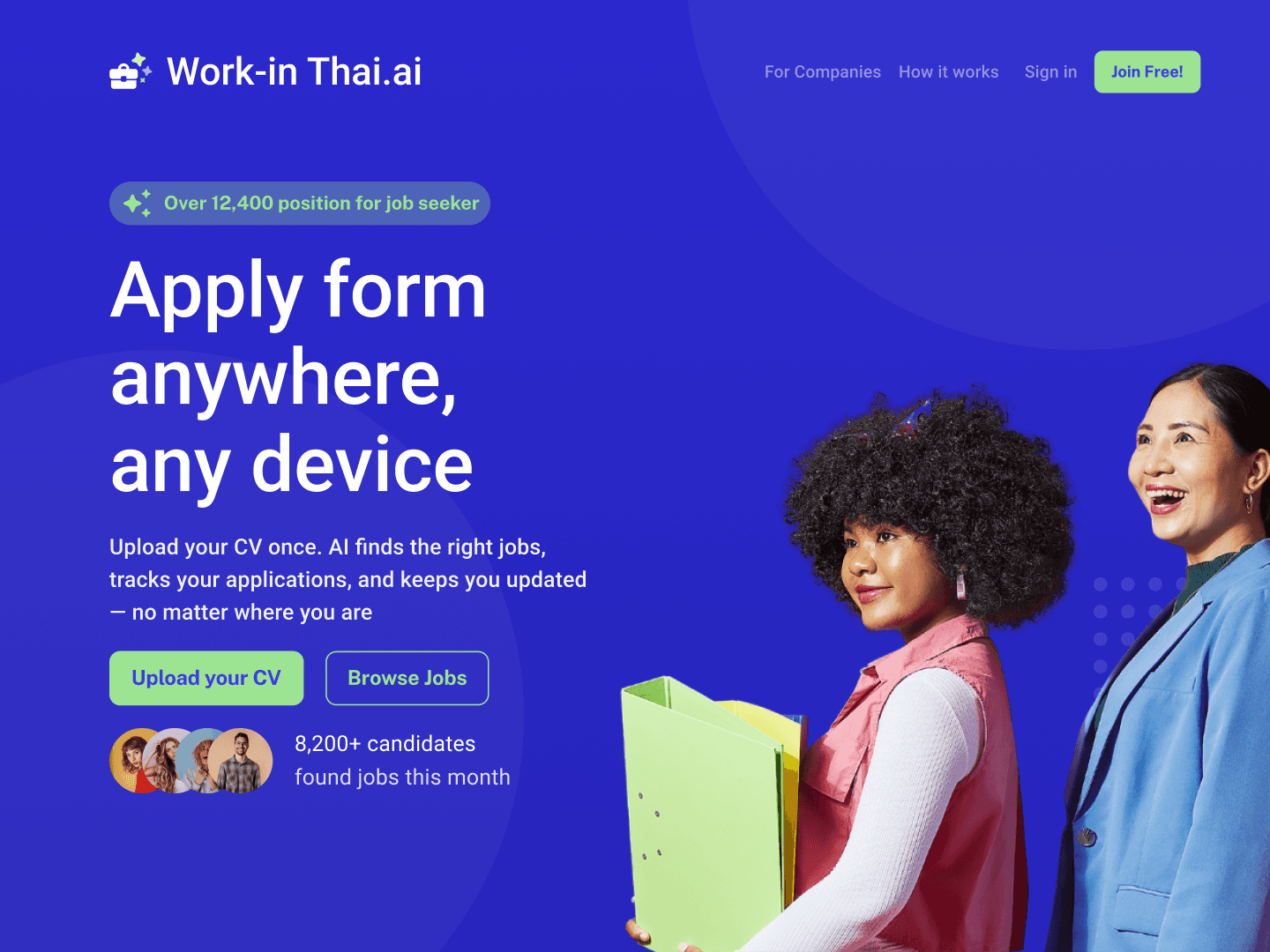
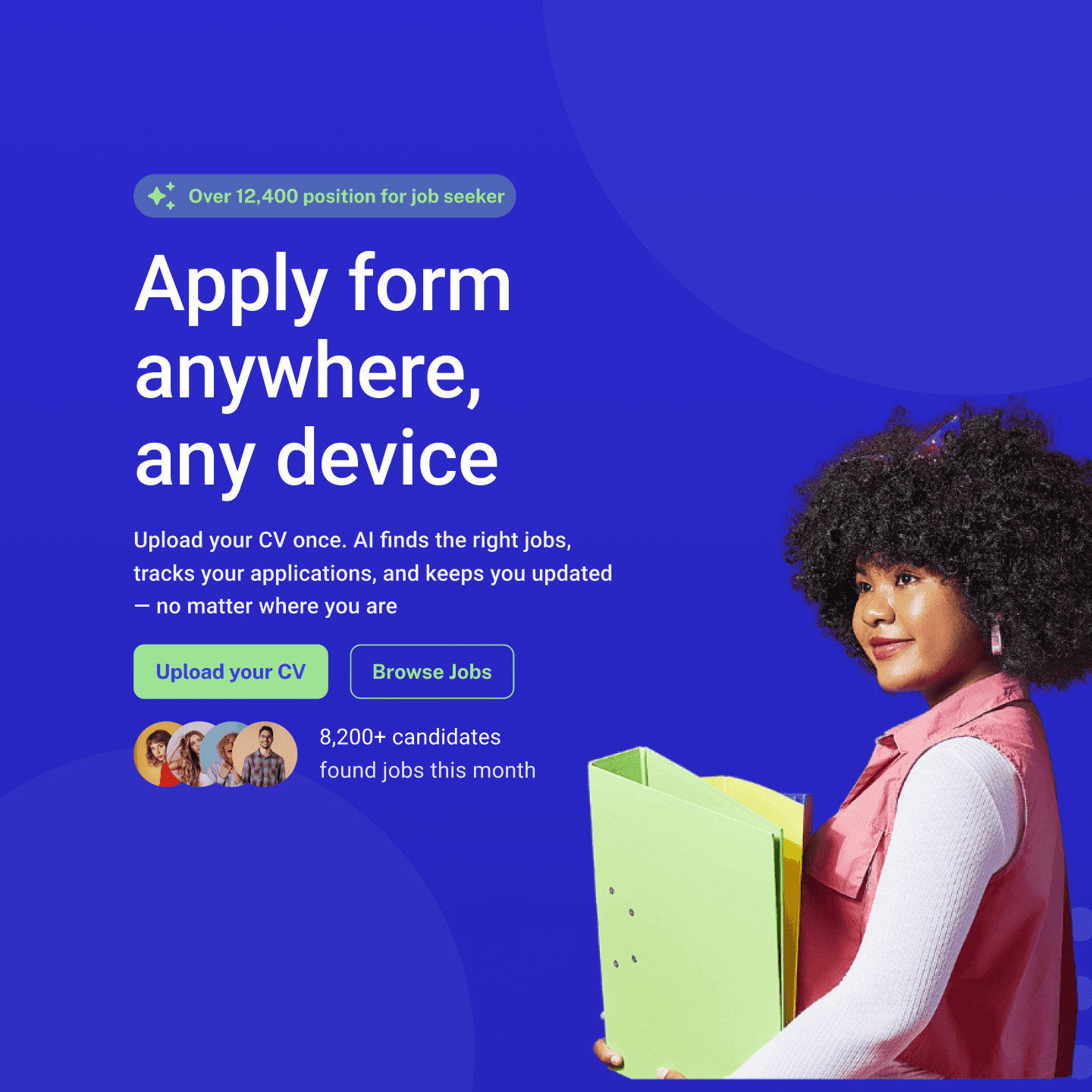
Candidates interact with the job board.
Companies run everything from Work-in HRM — with Rooj.ai assisting at every step.

Work-in Th.ai
AI-powered job board · Candidate-facing · Job search, AI matching, application tracking
Work-in HRM

Recruit
· Post jobs
· AI screen
· Interview
Offer
· AI draft
· Send
· Track

Onboard
· Convert
· Checklist
· Docs
Manage
· Leave
· Payroll
· Performance

Insights
· Reports
· Analytics
· Trends

Rooj.ai — AI layer across all modules
Automates, suggests, and assists HR at every step
Pain points identified

HR of one
carrying everything
In small companies, HR is often a single person handling recruitment, admin, policies, and people management simultaneously leaving no room for strategic work.

Candidates lost
between stages
After a job is posted and applications come in, the process breaks down no visibility for candidates, no structured pipeline for HR, and qualified people drop off silently.

Hiring ends at the offer, onboarding is forgotten
Most platforms stop at the hire. Converting a candidate into a properly onboarded employee requires starting over in a different system
or doing it manually.
How we solved it
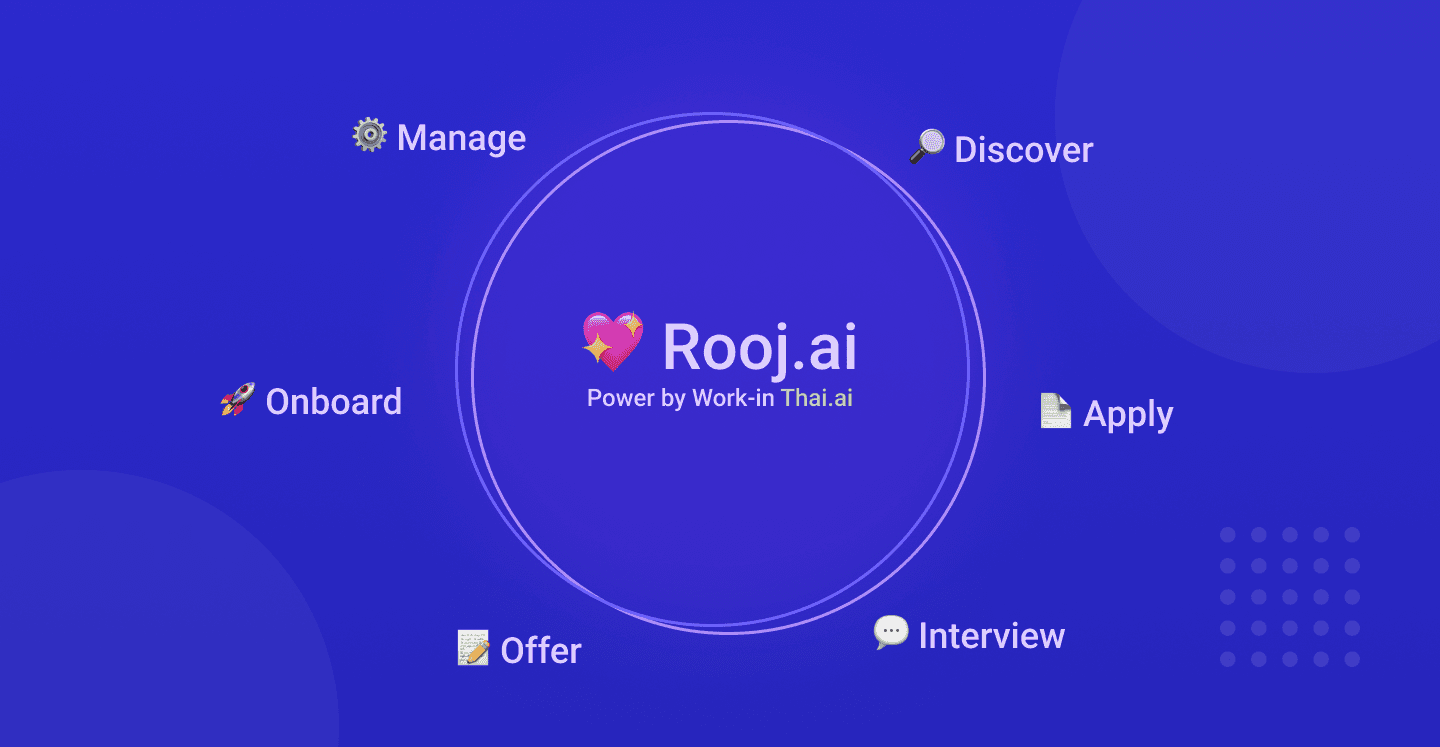
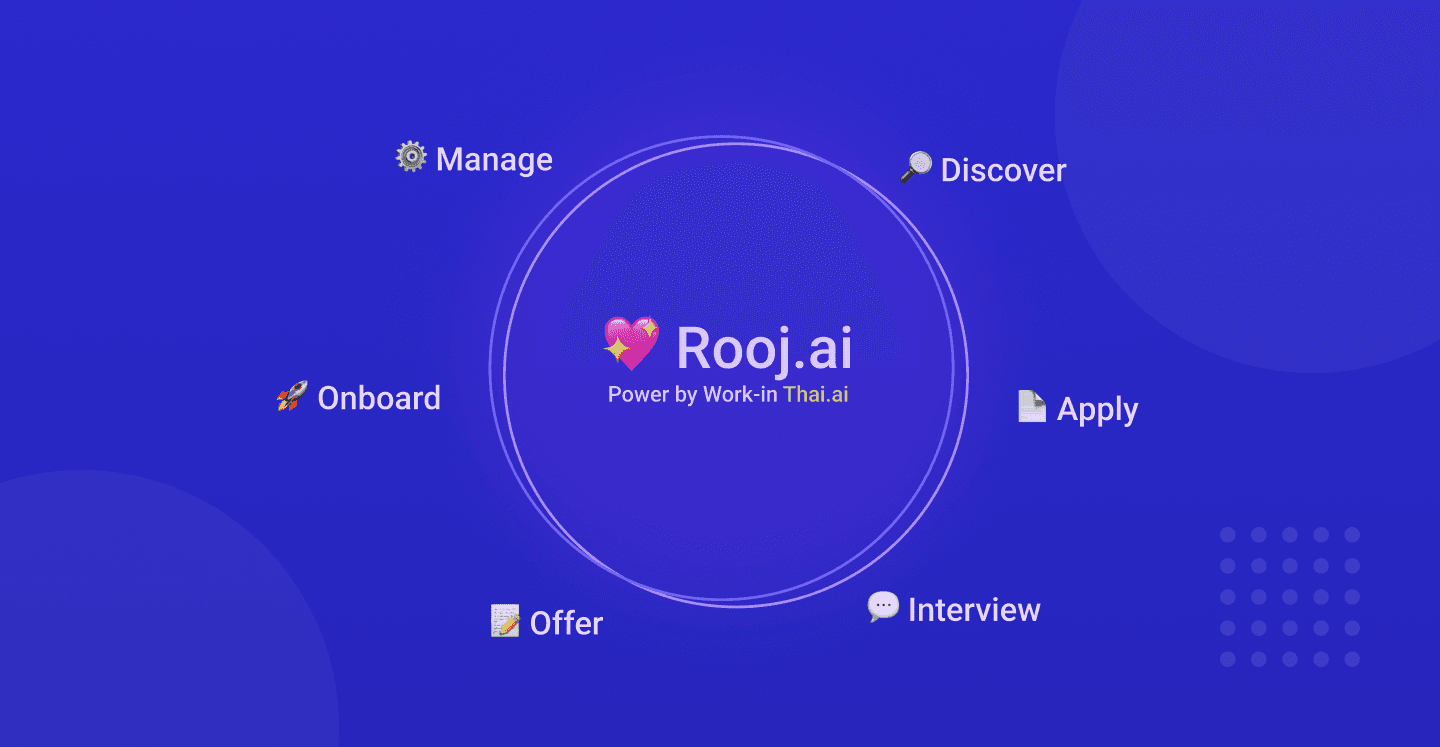
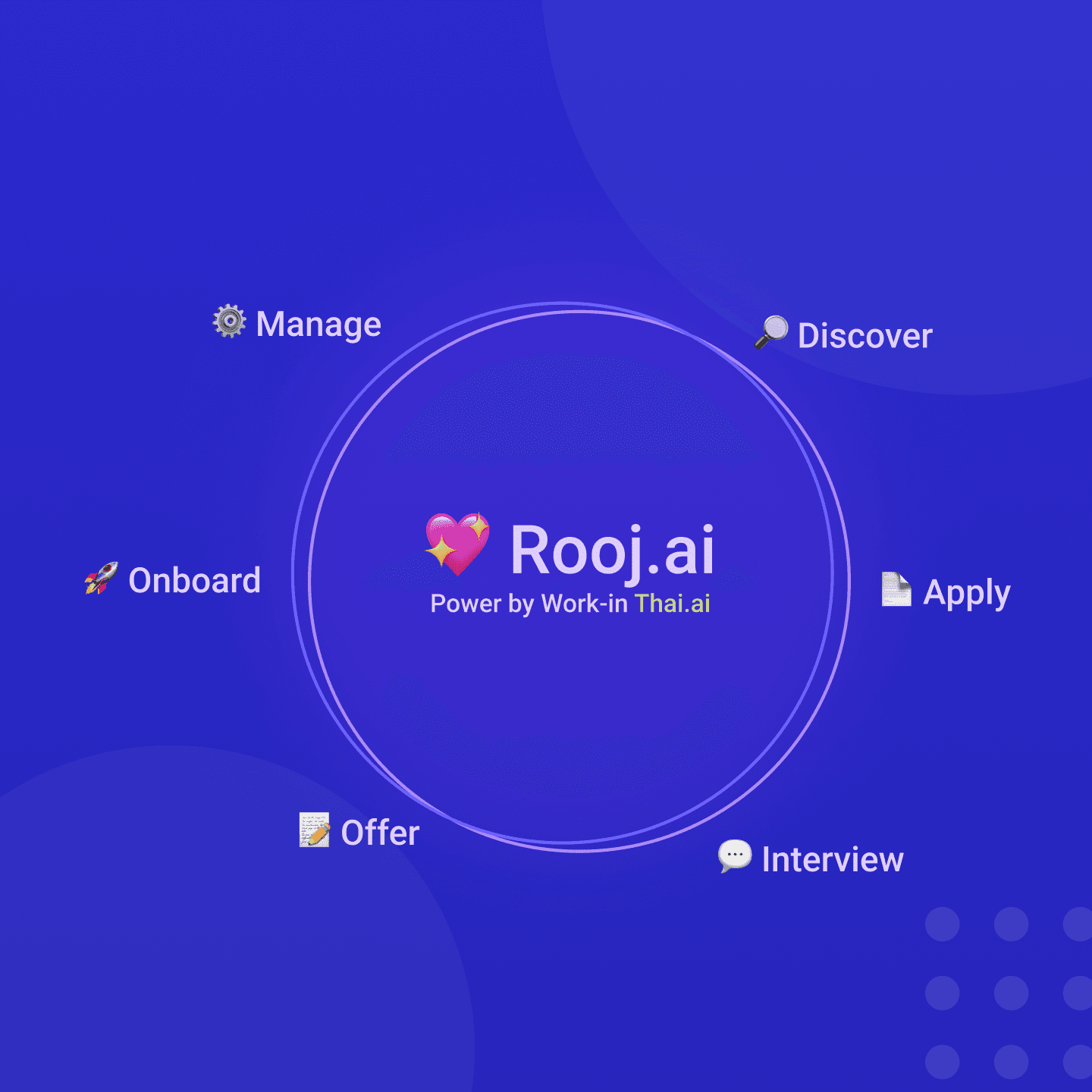
The closed-loop hiring flow
without leaving the platform
Each pain point pointed to the same root cause — HR workflows were fragmented across too many tools with no shared data. The solution was to design a single connected loop, where every stage from job discovery to daily HR management runs on the same platform.
Discover
Candidate finds job on Work-in Th.ai
Apply
CV upload, AI analysis, auto match

Interview
AI-assisted question bank and scoring
Offer
AI drafts offer letter, HR approves
Onboard
Convert candidate to employee in HRM
Manage
Leave, payroll, policy Rooj.ai assists
Constraints
What we were working against

Time + limited research budget
The MVP needed to ship quickly for a client presentation, which compressed the research phase significantly guerrilla interviews replaced planned sprints. Additionally, without a dedicated research budget for the HRM side, pain points were developed through structured brainstorming based on team experience with small-company HR challenges. Both constraints shaped scope decisions: build what's validated fastest, design ahead for what comes next.
Key decisions & trade-offs
01
Closed-loop over best-of-breed integrations
Rather than integrating with existing HRMS tools, we designed a self-contained platform where recruitment and HR management share the same data layer. Switching between tools creates friction and data loss a single loop eliminates both. The trade-off is that companies already using another HRMS must migrate, but the benefit is a seamless candidate-to-employee journey with no manual handoffs.
Zero data loss between recruitment and HR one source of truth
Higher switching cost for companies already using an HRMS
02
Making AI output actionable for hiring managers
A match percentage alone is not enough to make a hiring decision. We added a reasoning layer to each AI score surfacing the criteria behind the result so HR managers can evaluate candidates consistently and justify their choices with confidence.
AI output became directly usable reducing reliance on gut feel
More complex score breakdown UI to design and build
03
Balancing data utility with candidate privacy
Building a recruitment platform means handling sensitive personal data at scale CVs, work history, contact details, and location. The question wasn't just what data to collect, but what each data point was actually being used for. We established a principle: collect only what a specific hiring decision requires, nothing more. Location is one example companies needed commute feasibility, not a home address, so province-level data was sufficient.
Candidate trust maintained while companies still get actionable data
Some data points companies wanted are intentionally unavailable
04
Rooj.ai as an intelligence layer, not just a chatbot
Rather than a standalone AI assistant, Rooj.ai was designed to run across every HRM module suggesting actions, automating routine tasks, and surfacing information proactively. An AI embedded in your workflow is more valuable than one you have to go find. It also handles wellbeing check-ins at clock-in making the platform feel human, not just functional.
AI adds value at every step not just when explicitly asked
Broader scope requires careful response boundary design
05
Scoping integration without creating technical debt
Third-party HRMS connectors couldn't be validated within the project timeline so we made a deliberate call: ship with internal data export only, but design the candidate data structure as if external connectors were coming next sprint. Field taxonomy, export schema, and data mapping were all defined in v1. Connecting an external HRMS in next version update to becomes a configuration task, not a redesign.
Clean integration path to next version with no structural rework required
Third-party HRMS connections unavailable at launch
What's next
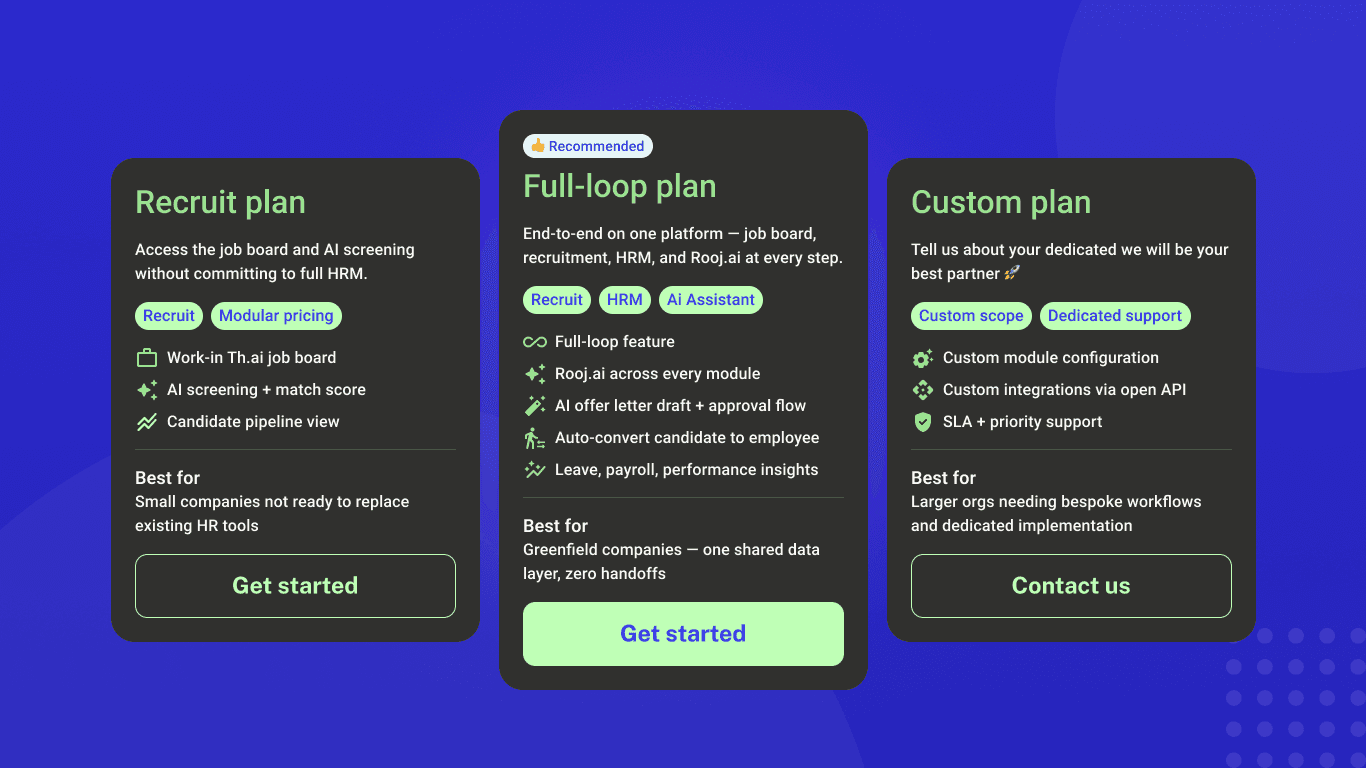
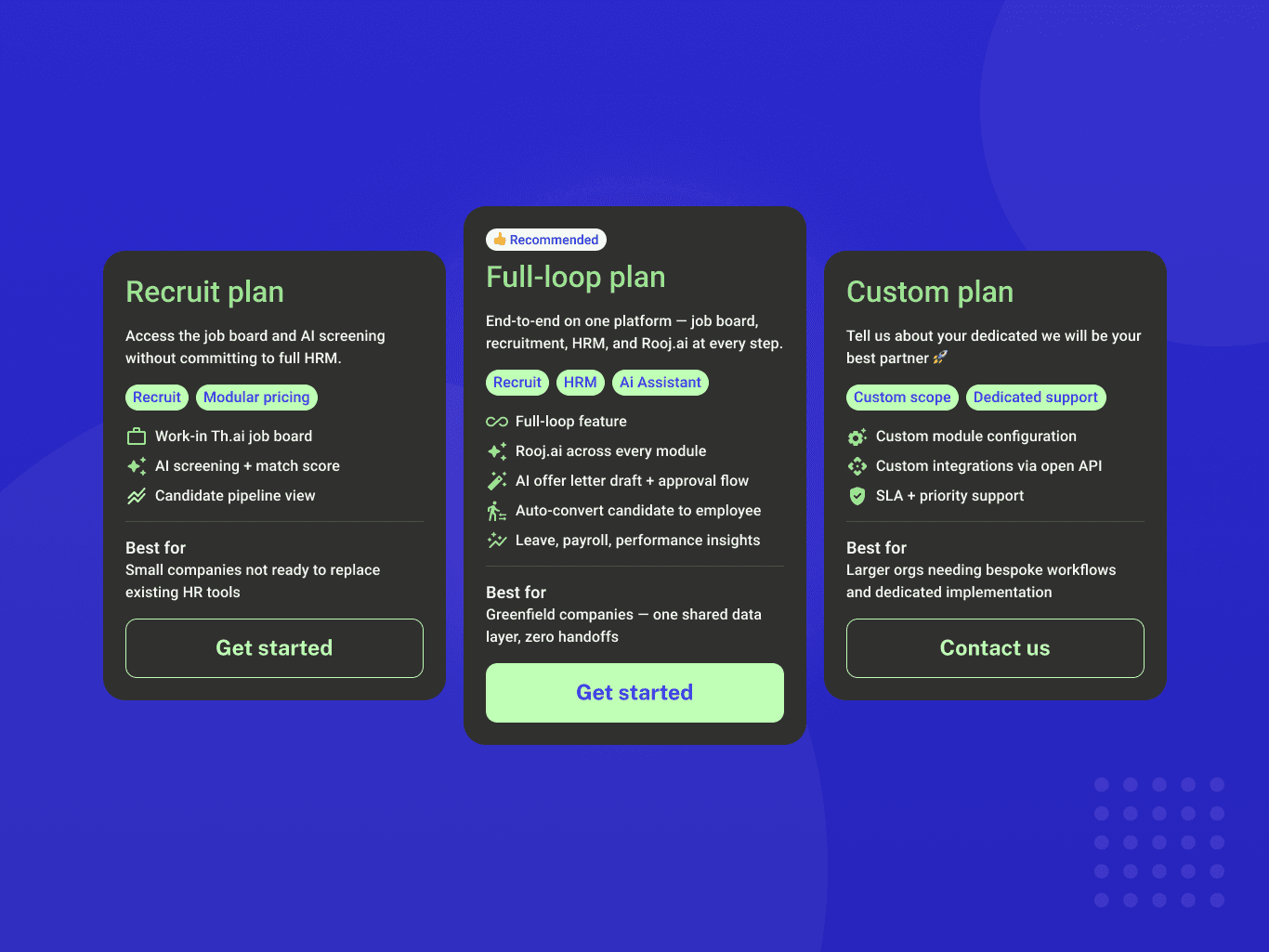
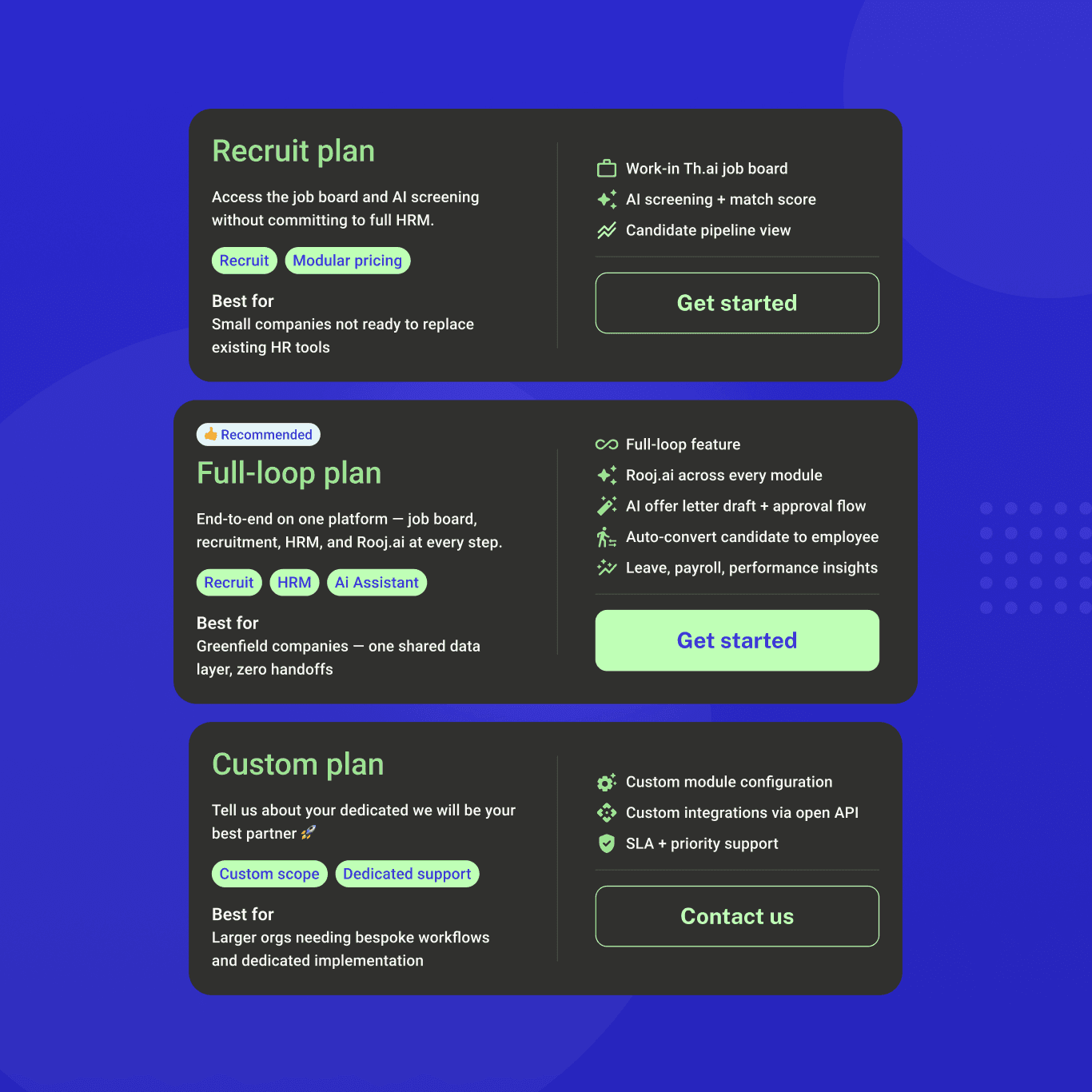

Why we designed the full loop first
Most products start with a standalone feature and build toward a platform later — which often means retrofitting connections into a data model that was never designed for it. We made the opposite choice: design the complete closed-loop architecture first, so every module shares the same data layer from day one. This means next phase aren't rebuilds they're simply unlocking parts of what's already there, for a broader audience.
My role
End-to-end ownership
across the full design process
Briefing
Stakeholder requirements gathering
Received project brief directly from stakeholders clarified business goals, target users, and scope boundaries across both the job board and HRM before any design work began.
Research
Interviews + brainstorm pain point mapping
Conducted guerrilla interviews with HR professionals to validate recruitment pain points. Mapped HRM side pain points through structured brainstorming based on team experience with small company HR challenges.

Design
Wireframes → high-fidelity prototypes
Translated research into wireframes, then developed high-fidelity prototypes covering the full ecosystem candidate job board, company recruitment dashboard, HRM modules,
and Rooj.ai interactions.

Validation
Prototype testing with HR professionals
Presented prototypes to a group of HR professionals gathered qualitative feedback on the recruitment flow and AI output, identifying friction points across key hiring stages.
Iteration
Feedback review & design refinement
Synthesised feedback into actionable changes iterated on AI score transparency, voice leave confirmation flow, and file search fallback behaviour, then presented revised designs for stakeholder sign-off.

Handoff
Dev handoff with documentation
Prepared final design files with component specs, interaction states, AI behaviour notes, and edge case documentation handed off with full context for implementation.
Project impact
What success would look like
Figures below are projected estimates based on design intent and industry benchmarks — not measured post-launch data. This is a concept project.
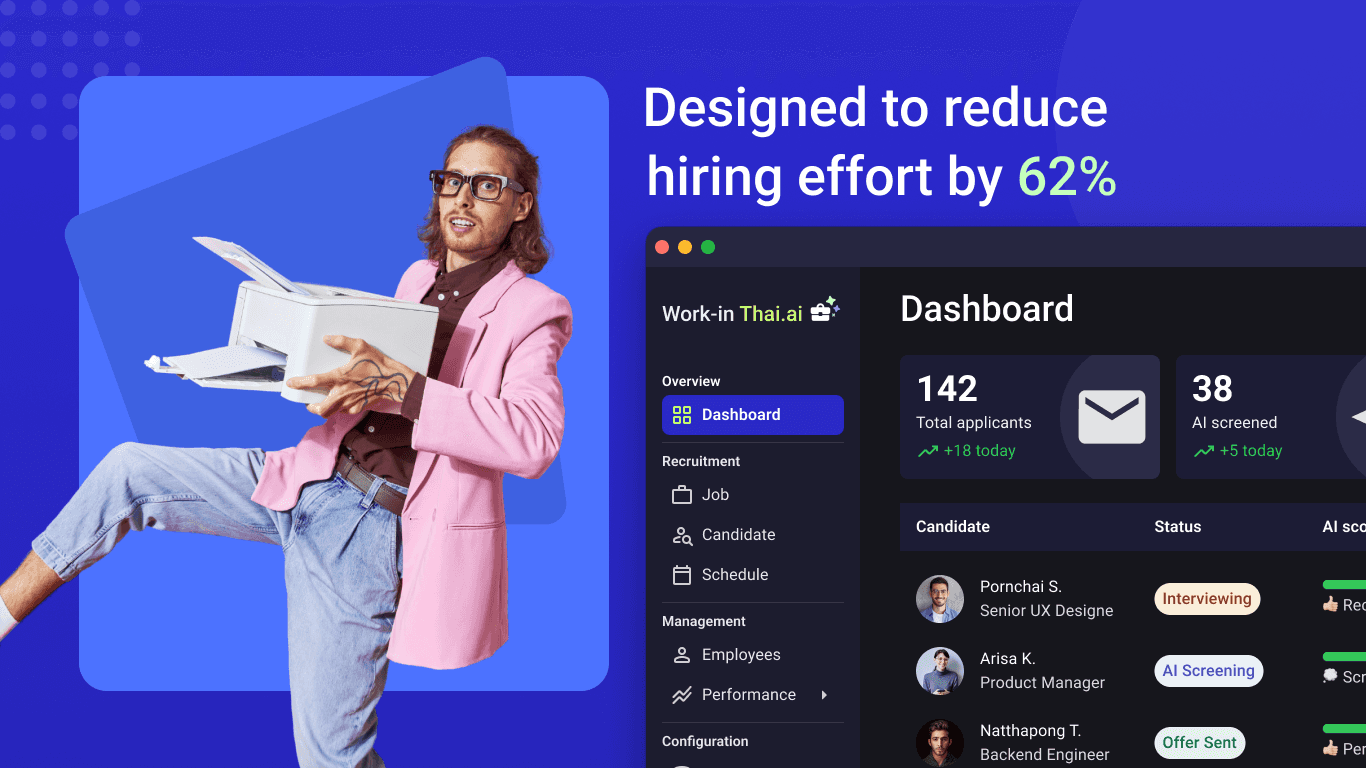
Reduction in time-to-hire
0%
0%
AI screening reduces manual CV review from hours to minutes
Increase in qualified candidates
0.0×
0.0×
AI match score + reasoning helps HR focus only on high-fit applicants
Candidate satisfaction score
0.0/5
0.0/5
Real-time status tracking designed to eliminate the "silent rejection" experience